Building monetization that lasts, not just a good month

Jul 1, 2026 · 7 min read

Chasing quick revenue bumps burns out. Treating your site like a business, with the right data, partners, and habits, is what actually compounds.
Most publishers optimize for this month. They chase a floor tweak, a new network, a placement that lifts revenue for a few weeks, then wonder why it fades. Durable income comes from something less exciting: running your site like a business instead of a lottery ticket.
That starts with treating revenue and costs as a real P&L. Know what your traffic costs to acquire, what your tools and team cost, and which pages and formats actually earn. Once you can see the business, decisions stop being guesses.
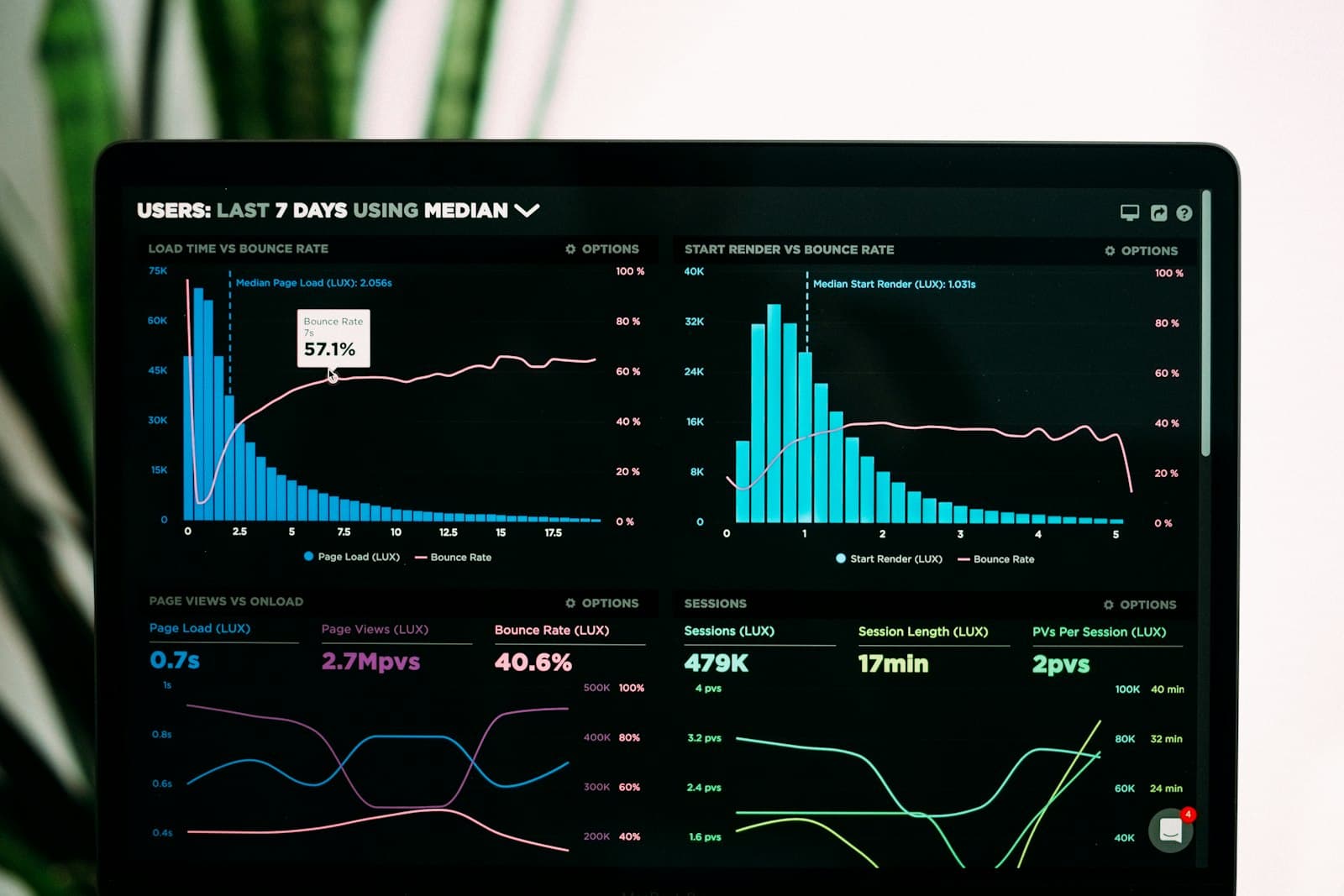
Build a data foundation you actually look at. Viewability, eCPM by placement, revenue by traffic source, performance by device. Most publishers never check these regularly, which is exactly why their revenue drifts and they cannot say why.
Protect the reader experience while you monetize. Ads and content are not enemies, but a page stuffed past the point of usefulness loses the sessions and the trust that made it worth advertising against in the first place.
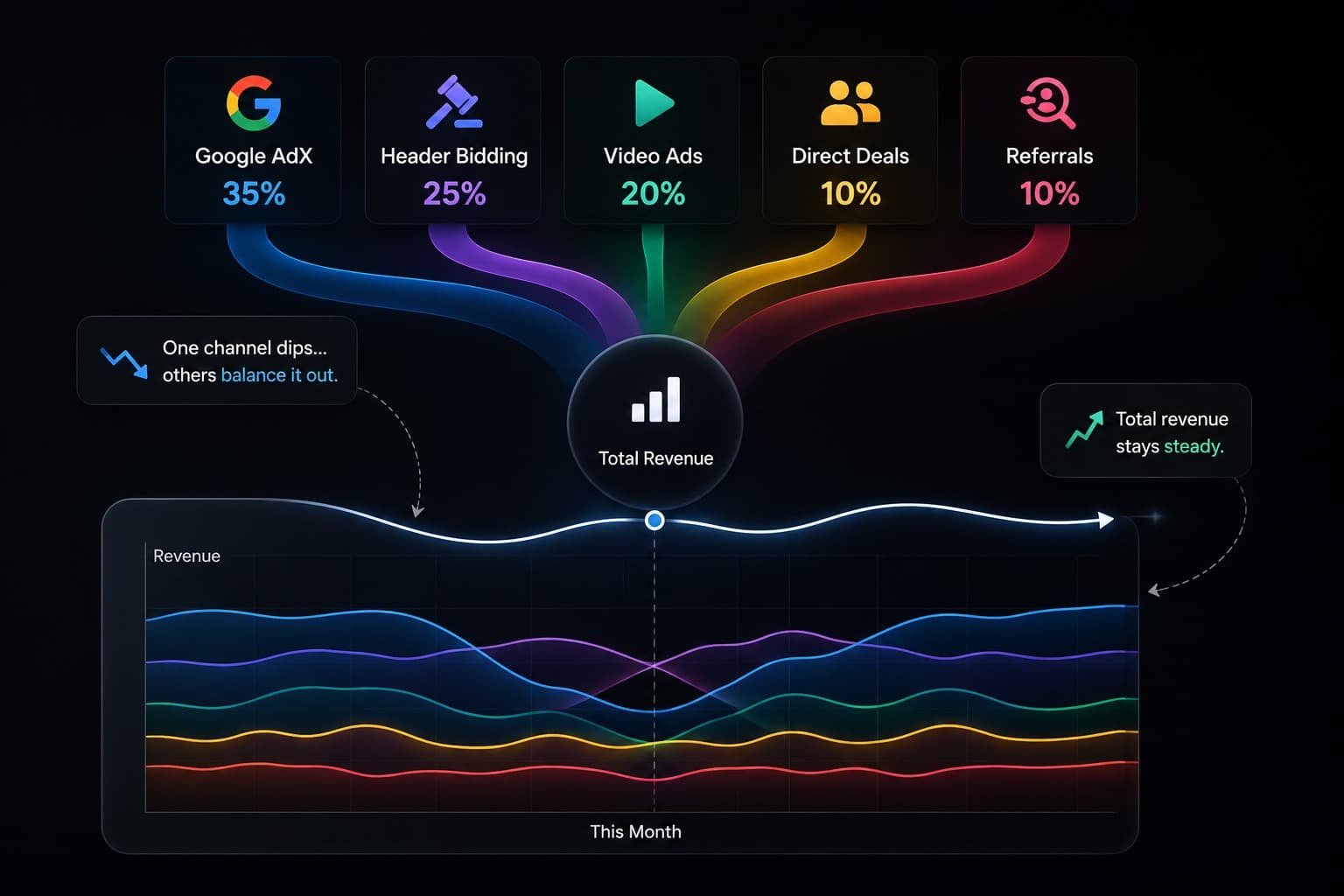
Diversify how you earn. Display alone is fragile. Layer in video, native, affiliate, and a newsletter you own outright. When one channel dips, the others hold the month together, and an owned audience is the one asset no algorithm can take from you.
Keep your header bidding stack lean. More bidders is not better past a point. Six to ten well-chosen partners capture nearly all the competition without the latency and reporting mess that twenty create. Prune the ones that never win.
Stay clean and compliant. Meet performance standards, keep your ads.txt honest, and keep invalid traffic out. This is the boring work that keeps premium demand willing to bid on you month after month.
Treat your ad partners as relationships, not vending machines. The publishers who get early access to new demand, and quick help when something breaks, are the ones who actually talk to their partners.
Reinvest. Put 5 to 10 percent of revenue back into content, speed, or tooling. Compounding only works if you feed it. And keep learning, because ad tech shifts under you constantly and last year's setup quietly leaks money.
Building this the durable way is a lot to run alone. We handle the demand, compliance, and tuning so you can put your time back into content.
Talk to usNone of this is a single move you make once. It is a set of habits. Do them consistently for a year and you will not have a good month, you will have a business that earns whether or not any single month goes your way.
Want this kind of optimization on your own site? Get Started.